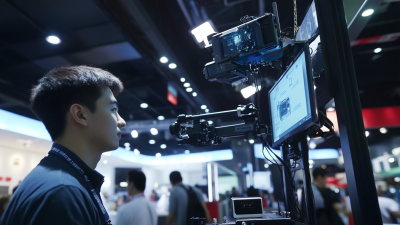
In the rapidly advancing landscape of technology, the future of precision hinges significantly on the evolution of IMU Inertial Measurement technology. As global demand for innovative and reliable navigation solutions surges, companies like Poseidon International Group (Hong Kong) Limited are at the forefront of this revolution. Established in 2013, Poseidon specializes in the independent research, design, and production of cutting-edge fiber optic gyroscopes (FOG) and inertial navigation systems (INS), among other advanced technologies. With a strong emphasis on innovation, Poseidon holds multiple technical patents, ensuring they remain a leader in the field. This blog aims to unveil the outstanding capabilities of IMU Inertial Measurement systems, particularly how China's manufacturing excellence serves as a driving force in the global market, highlighting Poseidon's pivotal role as a pioneer and export powerhouse in this domain.
Current Trends in Inertial Measurement Technology Applications
Current trends in inertial measurement technology applications are reshaping various industries, from automotive to aerospace. Enhanced by miniature-sized sensors and advanced algorithms, Inertial Measurement Units (IMUs) are becoming pivotal in creating reliable navigation systems. According to a report by MarketsandMarkets, the global IMU market is projected to grow from USD 3.7 billion in 2021 to USD 6.1 billion by 2026, reflecting a compound annual growth rate (CAGR) of 10.5%. This growth is driven by increasing demand for high-precision motion tracking in autonomous vehicles and robotics, where even minute inaccuracies can lead to significant operational failures.
Significantly, IMUs are now being leveraged in consumer electronics, incorporating features such as gesture recognition and augmented reality. A report from Grand View Research indicates that the adoption of IMUs in smartphones and wearable devices is expected to surge, with a forecasted market size of over USD 1.1 billion by 2025. As the technology continues to evolve, we see it facilitating innovative applications in fields like healthcare, where IMUs are used in rehabilitation and physical therapy to monitor patient movements with unprecedented accuracy. This convergence of inertial measurement with various sectors signifies a transformational shift, paving the way for smarter, more interconnected systems.
Challenges in Accuracy and Stability of IMU Devices
In the rapidly advancing world of Inertial Measurement Units (IMUs), the precision of data is paramount. However, challenges persist in achieving both accuracy and stability in these devices. According to a report from Grand View Research, the global IMU market is expected to reach USD 19.75 billion by 2025, driven by the surge in applications across automotive, aerospace, and consumer electronics sectors. Despite this growth, inaccuracies caused by factors such as sensor drift, temperature variations, and vibration can lead to significant errors in orientation and positioning. For instance, studies indicate that errors in IMU data can exceed 10 degrees in real-world conditions without proper calibration and filtering techniques.
To address these accuracy challenges, manufacturers are increasingly turning to advanced algorithms and multi-sensor fusion techniques. Implementing Kalman filtering, for example, can help reduce noise and improve the reliability of IMU outputs. Tip: When selecting an IMU device, prioritize models that offer built-in calibration mechanisms and robust data processing algorithms to enhance overall accuracy.
Stability is another critical concern. An erratic IMU can provide inconsistent readings, potentially jeopardizing applications in autonomous driving and robotics. A recent survey by Navigation and Control Systems highlighted that up to 25% of IMU users reported issues with data stability in high-vibration environments. Tip: Look for IMUs designed specifically for your operating conditions, as specialized devices can mitigate stability issues more effectively. Investing in the right technology now will pay dividends in the quest for precision and reliability in the future.
Exploring Industry-Specific Case Studies in Precision IMUs
As industries increasingly embrace precision measurement technologies, the importance of Inertial Measurement Units (IMUs) cannot be overstated. The application of IMUs spans numerous sectors, from aerospace to healthcare, where the need for high accuracy and reliability is paramount. Recent studies highlight that precision IMUs can enhance operational efficiencies by up to 30%, particularly in challenging environments where traditional measuring methods fall short.
In healthcare, precision IMUs are transforming surgical navigation and rehabilitation therapies. For instance, a report from the Institute of Electrical and Electronics Engineers (IEEE) emphasizes that integrating advanced IMUs into surgical tools can reduce the risk of human error by nearly 25%. Similarly, in precision medicine, the role of IMUs extends beyond tracking movements to supporting personalized treatment plans that account for the intricate biomechanical correlations inherent in individual patients.
Moreover, the agricultural sector benefits greatly from precision IMU technology through precision livestock farming. A study from the Journal of Precision Agriculture showcases that utilizing IMUs in monitoring livestock can lead to a 20% increase in health outcomes by facilitating better decision-making regarding animal care based on real-time data. These insights underscore the potential of precision IMUs to drive innovations and efficiencies across various industries, setting the stage for a future where precision measurement is integral to operational success.
Navigating Common Problems in IMU Implementation
In the realm of inertial measurement technology, IMUs (Inertial Measurement Units) have become a cornerstone for various applications, from aerospace to consumer electronics. However, implementing IMUs isn’t without its challenges. One common problem engineers face during the installation phase is sensor misalignment. Even minor deviations can lead to significant errors in data interpretation, impacting the performance of the system. Therefore, calibration is crucial. Regular verification against known reference points can help rectify errors and ensure accurate readings.
Another significant hurdle in IMU implementation is environmental interference. IMUs are sensitive to external factors such as temperature variations and electromagnetic noise, which can distort sensory data. To mitigate this, engineers often employ advanced filtering algorithms and compensation techniques. These strategies not only enhance data reliability but also streamline the integration of IMUs into larger systems. By addressing these common issues, developers can harness the true power of IMU technology, paving the way for improved accuracy and functionality in their products.
Future Innovations: What’s Next for Inertial Measurement Units?
In recent years, the demand for high-precision inertial measurement units (IMUs) has surged across various industries, ranging from aerospace to consumer electronics. The IMU market is projected to reach approximately $5.6 billion by 2027, growing at a CAGR of 7.5% according to market research from Mordor Intelligence. As technology evolves, the future of IMUs looks promising, with innovations such as MEMS (Micro-Electro-Mechanical Systems) and advanced algorithms enhancing their accuracy and reliability.
One of the most exciting advancements on the horizon is the integration of AI and machine learning with IMU technology. This marriage could lead to self-calibrating systems that improve data precision in real-time. For example, AI can help analyze sensor drift and environmental influences, allowing IMUs to function effectively even in challenging conditions. According to research by Yole Développement, adopting AI in sensor technology can enhance performance by at least 15-20%.
**Tip:** When selecting an IMU for your project, consider its sensitivity and bias stability. An IMU with low bias stability will perform better over extended periods, reducing the need for frequent recalibration.
Moreover, the miniaturization of IMUs is a trend that can’t be ignored. Smaller, lighter sensors open doors for applications in robotics and Internet of Things (IoT) devices, allowing for innovative uses like indoor navigation and enhanced motion tracking. This evolution aligns perfectly with the growing need for compact and efficient systems in modern technology.
**Tip:** Always evaluate the power consumption of your IMU—lower energy usage can result in longer operational life, especially for battery-powered applications.
Comparative Analysis of Leading IMU Products on the Market
In the rapidly evolving landscape of motion sensing technology, Inertial Measurement Units (IMUs) stand out as crucial components in various applications, from aerospace to consumer electronics. This comparative analysis delves into the leading IMU products currently available on the market, examining their specifications, functionalities, and unique features. The capability to measure velocity, orientation, and gravitational forces with heightened precision makes these devices indispensable in robotics and augmented reality.
Several contenders have emerged as frontrunners in IMU technology, including the InvenSense MPU-9250 and the STMicroelectronics LSM9DS1. The MPU-9250 is renowned for its nine-axis sensor capabilities, providing accurate motion tracking at a competitive price point, while the LSM9DS1 offers robustness with its combined accelerometer, gyroscope, and magnetometer. Additionally, the Bosch BNO055 stands out with its intelligent sensor fusion technology, allowing for seamless integration and ease of use in applications requiring complex orientation data. With varying performance metrics such as temperature compensation and power efficiency, it is essential for developers to thoroughly assess which IMU best aligns with their requirements.
The Future of Precision: IMU Technology Performance Comparison
FAQS
: A common problem is sensor misalignment, which can lead to significant errors in data interpretation and system performance. Calibration is crucial to rectify these errors.
Engineers can employ advanced filtering algorithms and compensation techniques to reduce the impact of external factors such as temperature variations and electromagnetic noise, enhancing data reliability.
The IMU market is projected to reach approximately $5.6 billion by 2027, growing at a CAGR of 7.5%.
AI and machine learning could lead to self-calibrating systems that improve data precision in real-time by analyzing sensor drift and environmental influences, enhancing performance significantly.
An IMU with low bias stability performs better over extended periods, reducing the need for frequent recalibration and improving overall accuracy.
The miniaturization of IMUs is a significant trend, leading to smaller, lighter sensors that enable innovative applications in robotics and IoT devices.
Lower energy usage can result in a longer operational life, which is particularly beneficial for battery-powered applications.
High-precision IMUs are crucial in various industries, including aerospace, consumer electronics, robotics, and IoT devices.
Regular calibration against known reference points is important to ensure accurate readings and rectify errors caused by sensor misalignment.
Environmental interference, such as temperature changes and electromagnetic noise, can distort sensory data, impacting the accuracy and reliability of IMU readings.

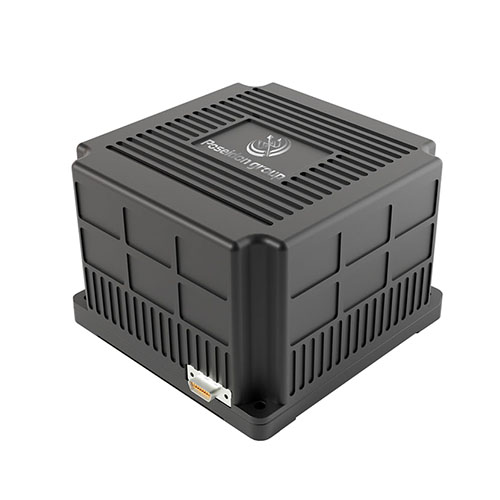 TBSD60
 BSD120
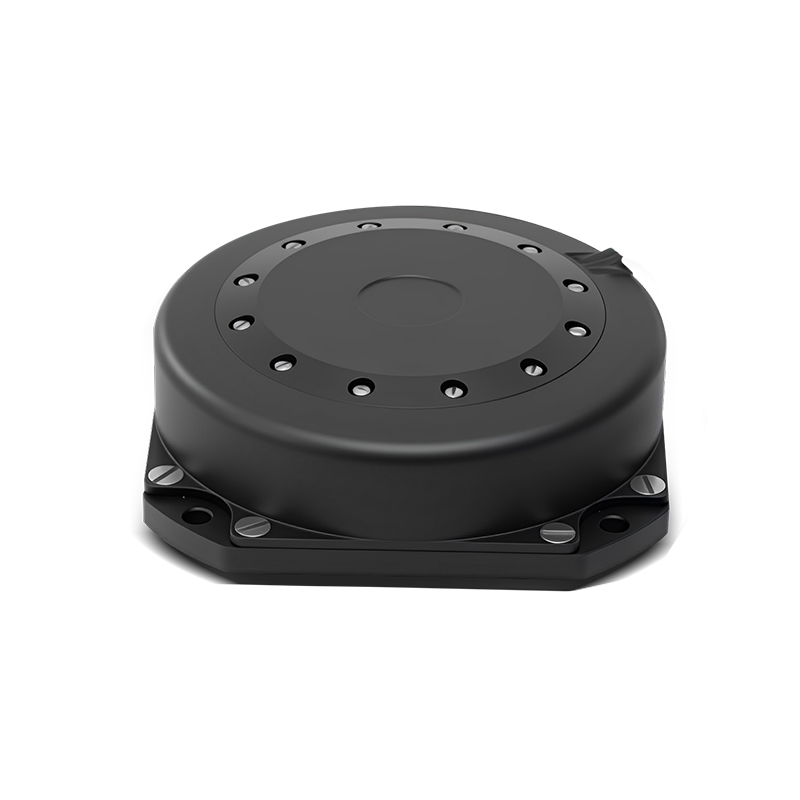 BSD98
BSD98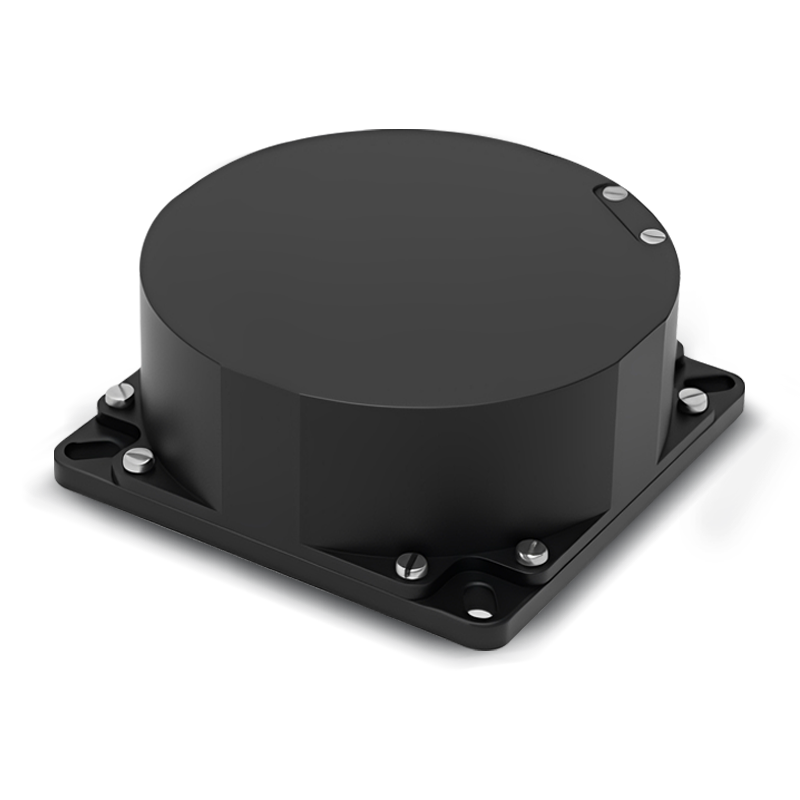 BSD70
BSD70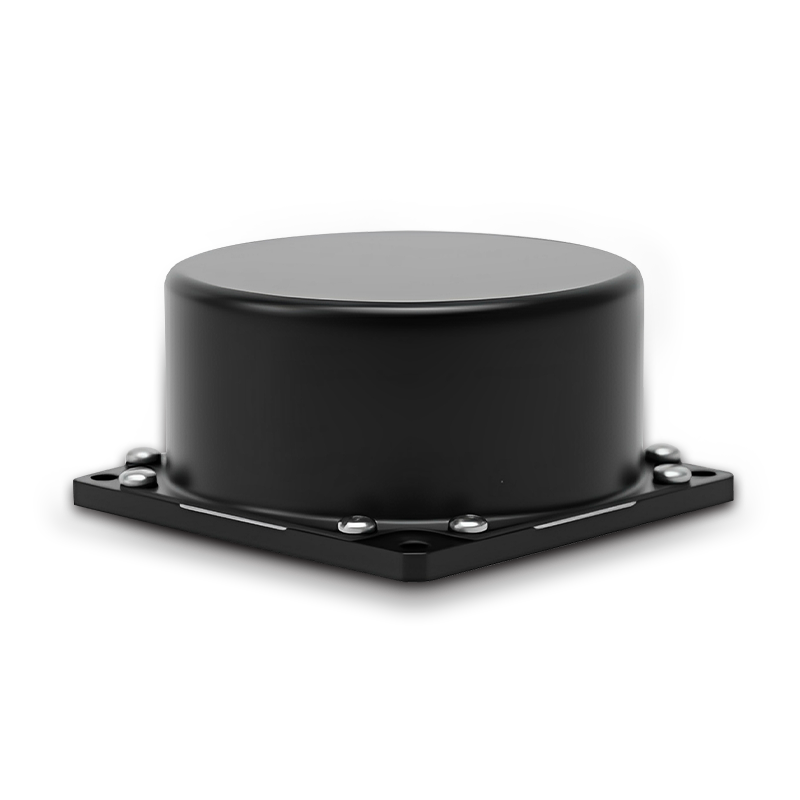 BSD60
BSD60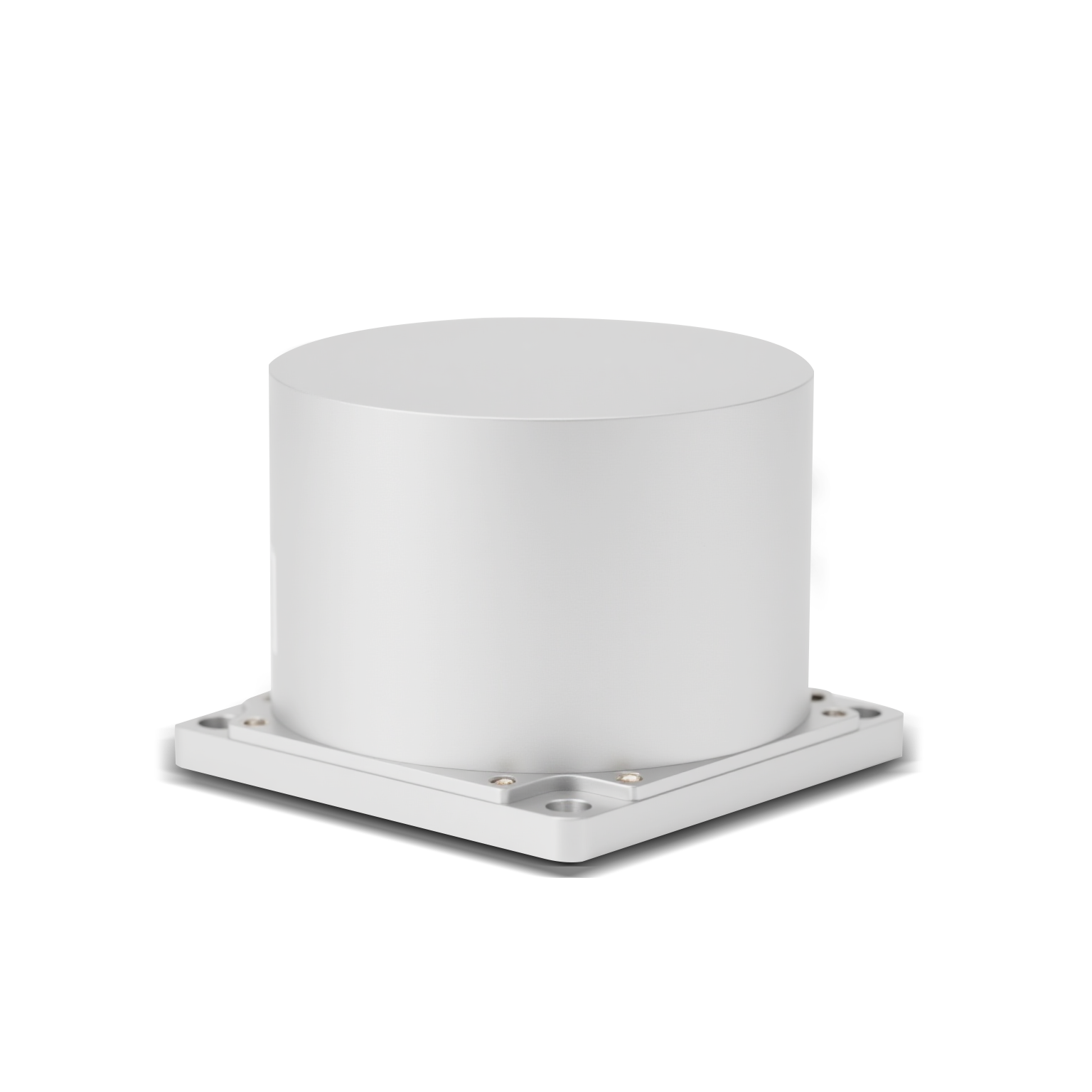 BSD50
BSD50 BSD217
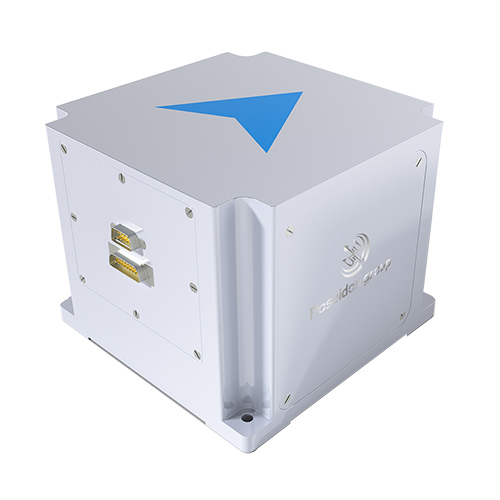 INS1700
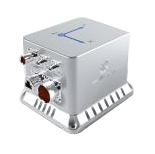 INS970
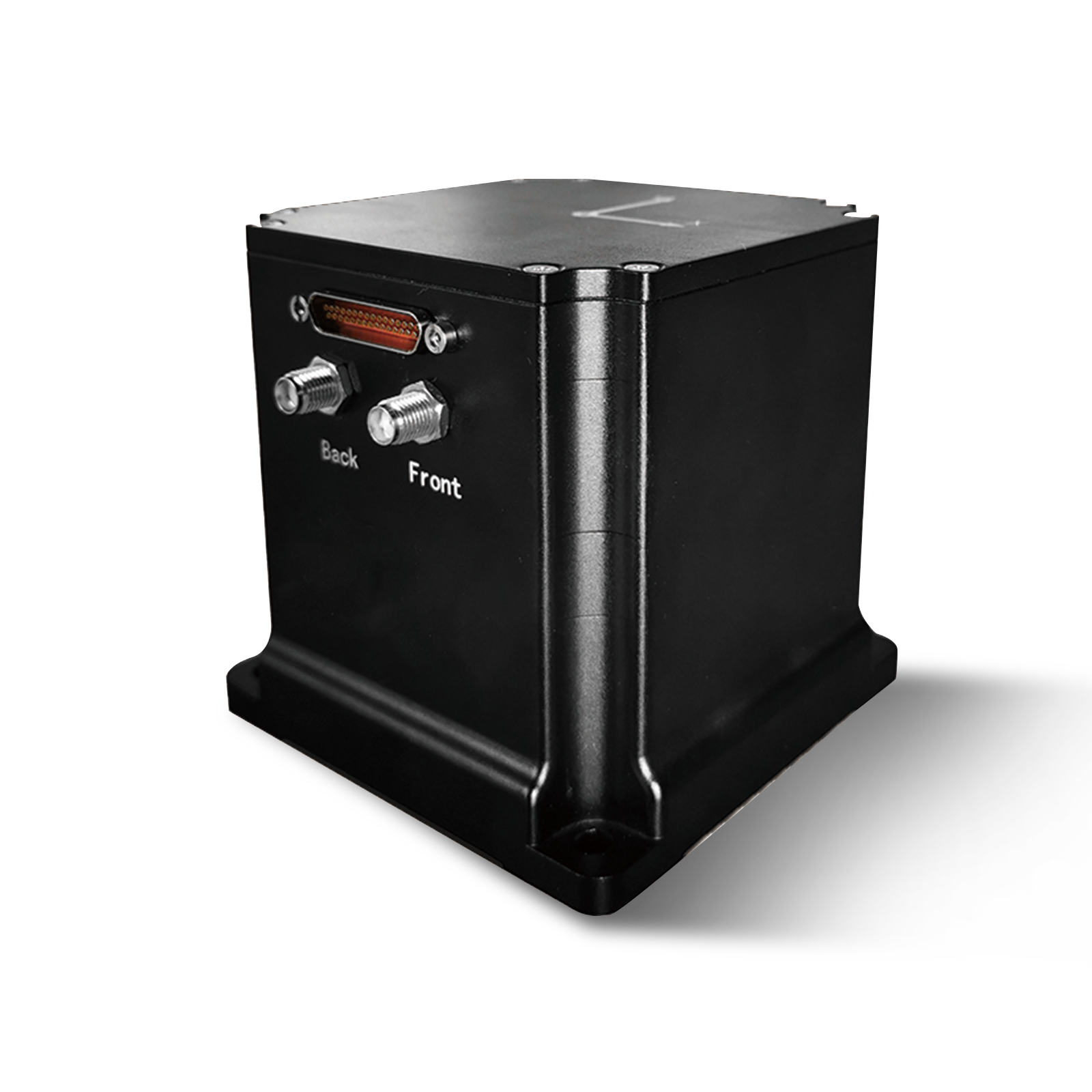 INS570
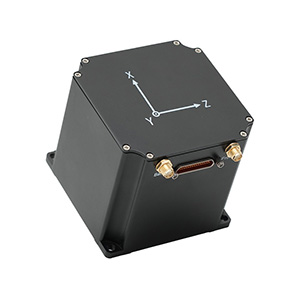 INS170
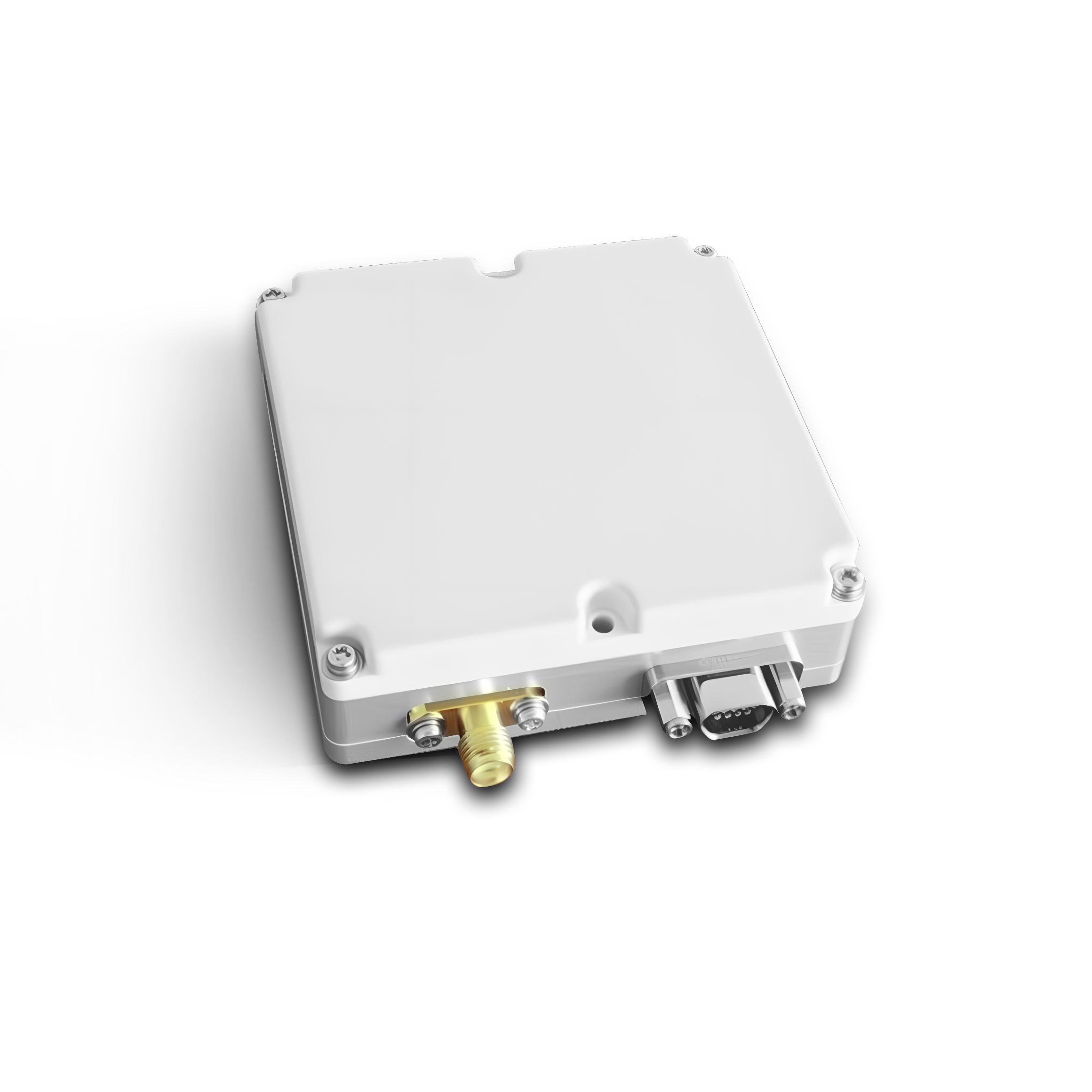 SLA-4B1L1-65
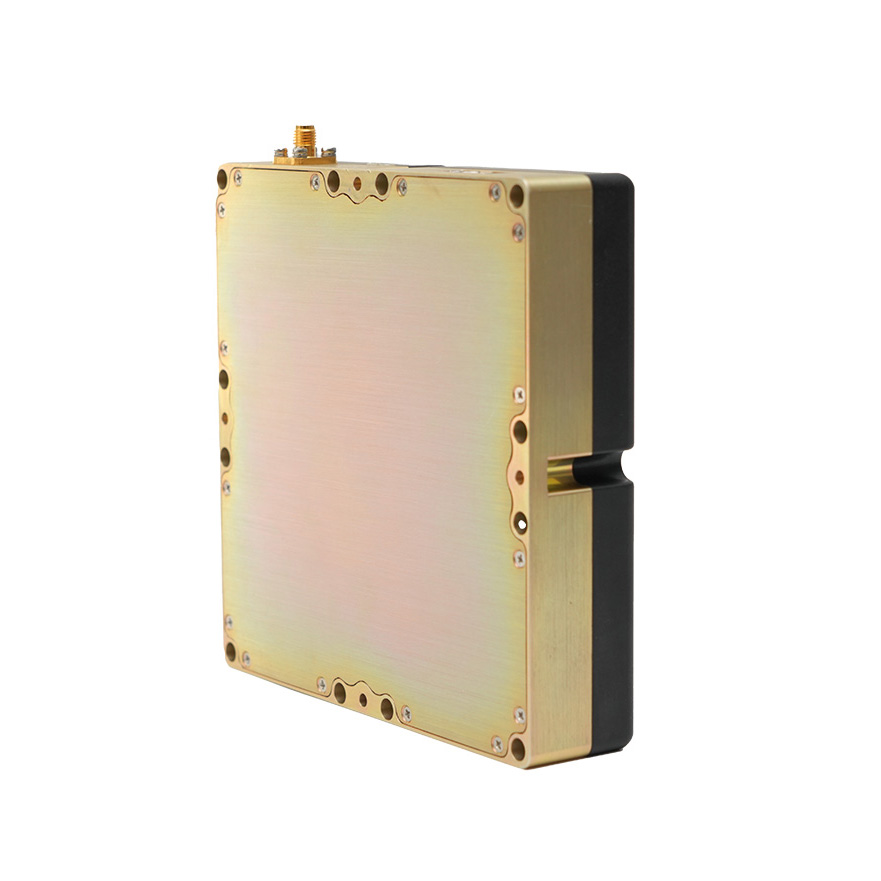 SLA-4B1L1-130
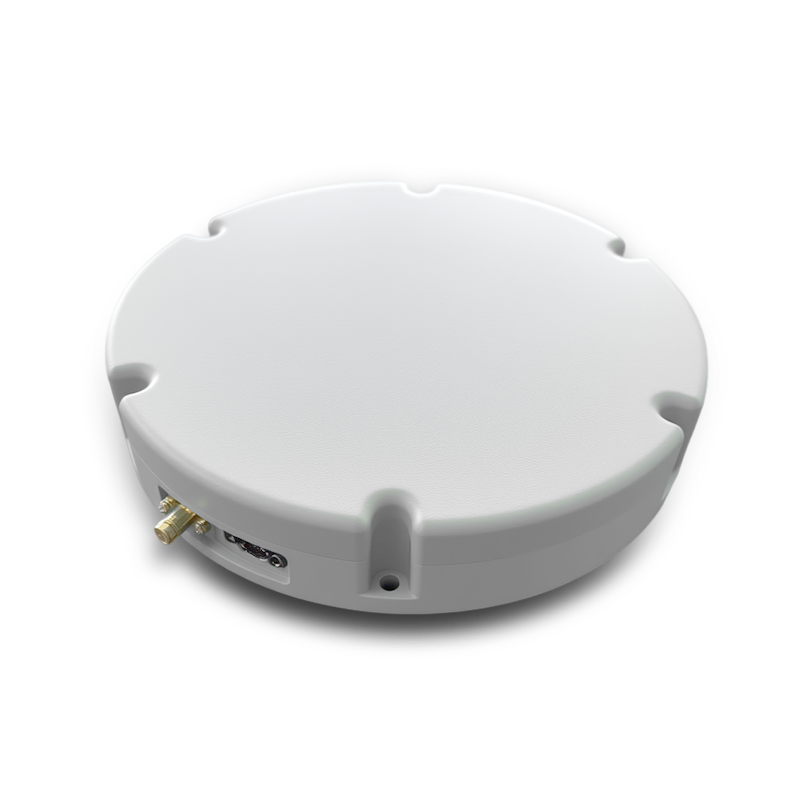 SLA-8B1L1-165
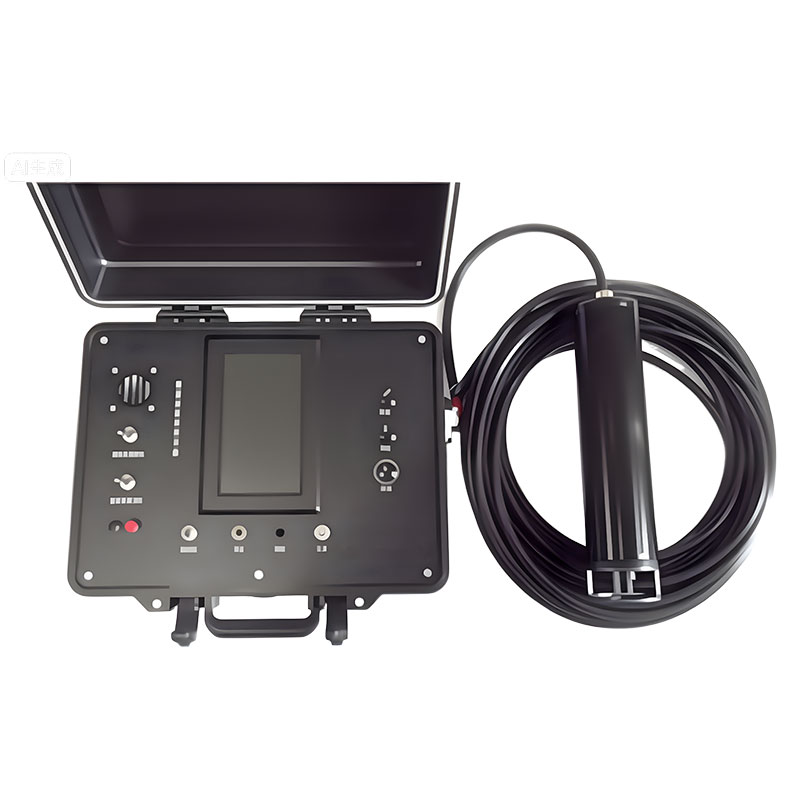 DIVER 101
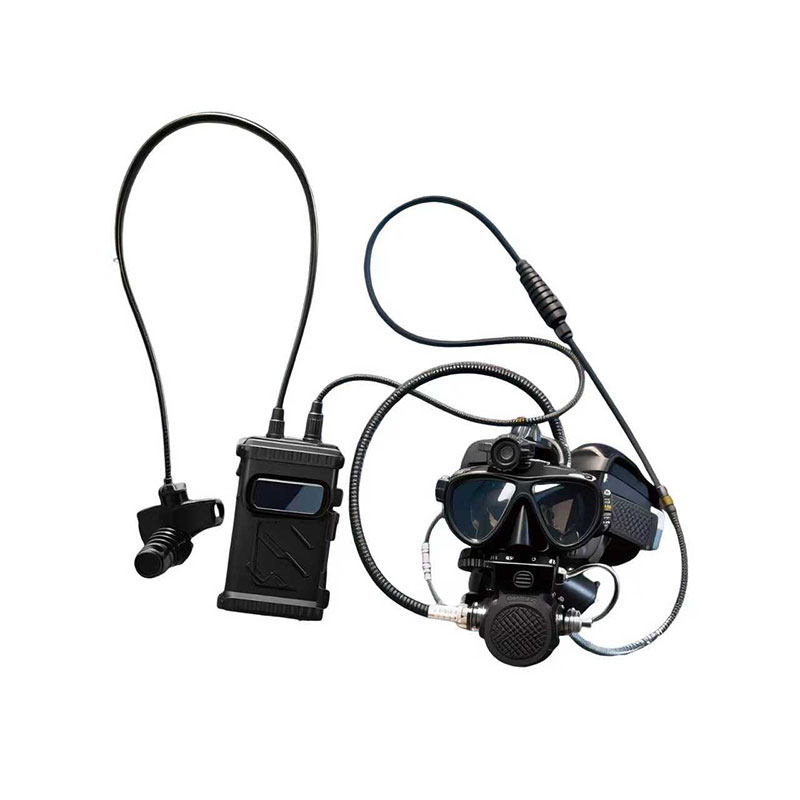 DIVER 102
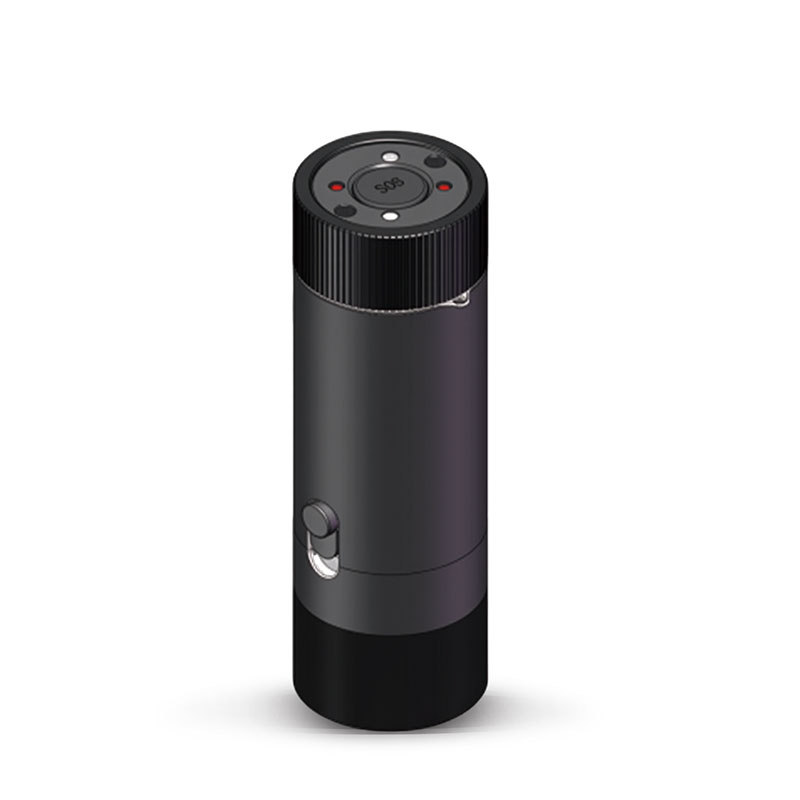 DIVER 103
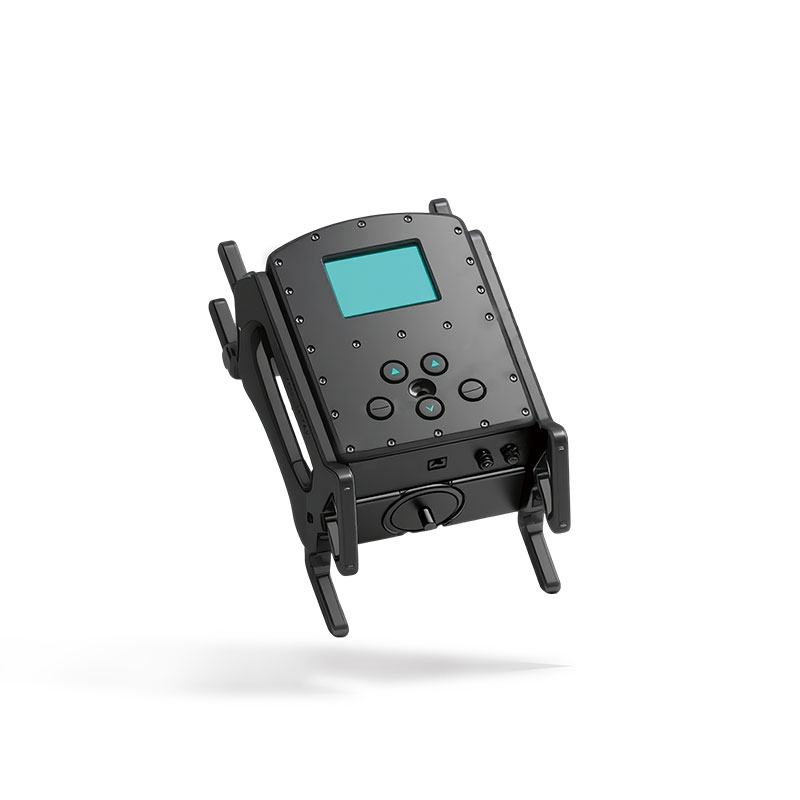 DIVER 104
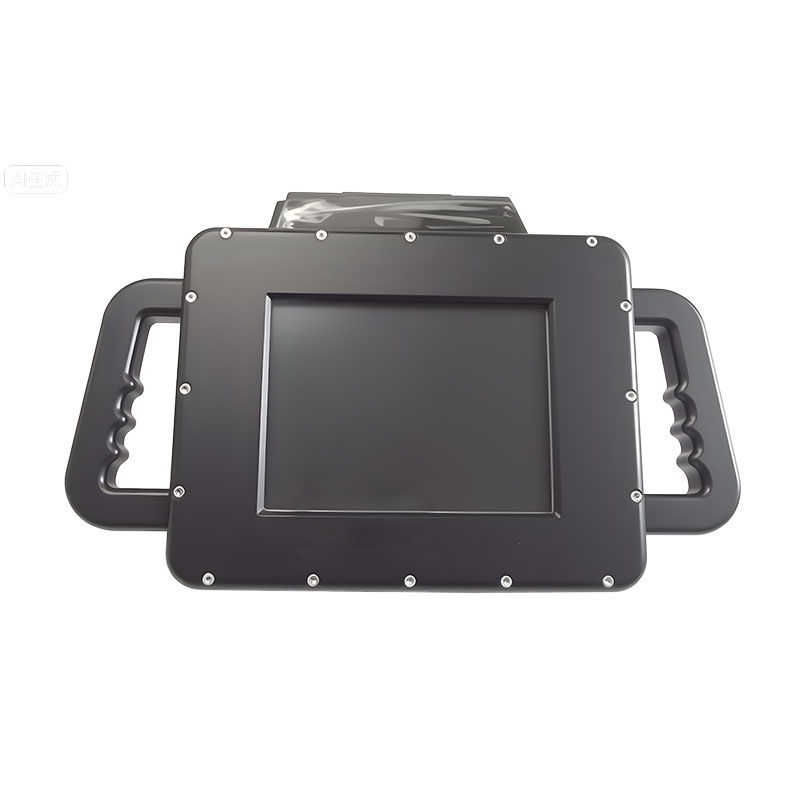 DIVER 105
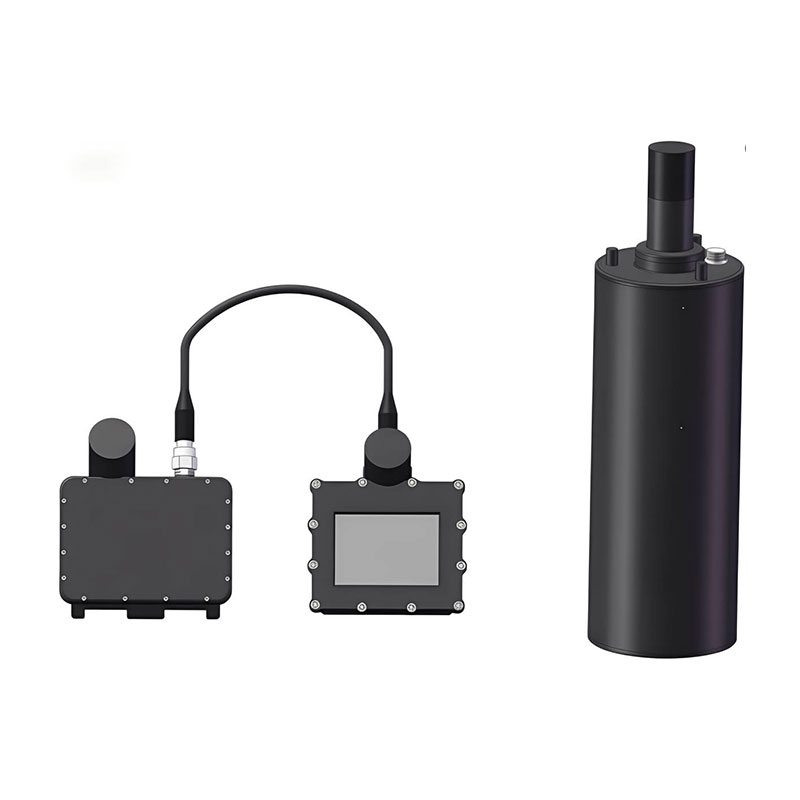 DIVER 106
 SLLR3000
 SLLR905
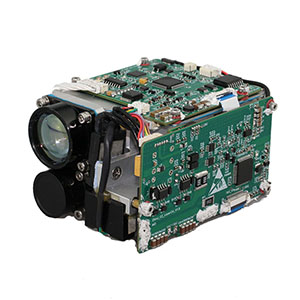 SLLD25
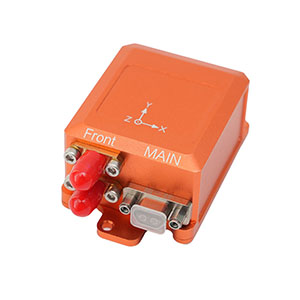 160M
160M 170M
170M SLFC-70
 SLAF280
 MR360
MR360